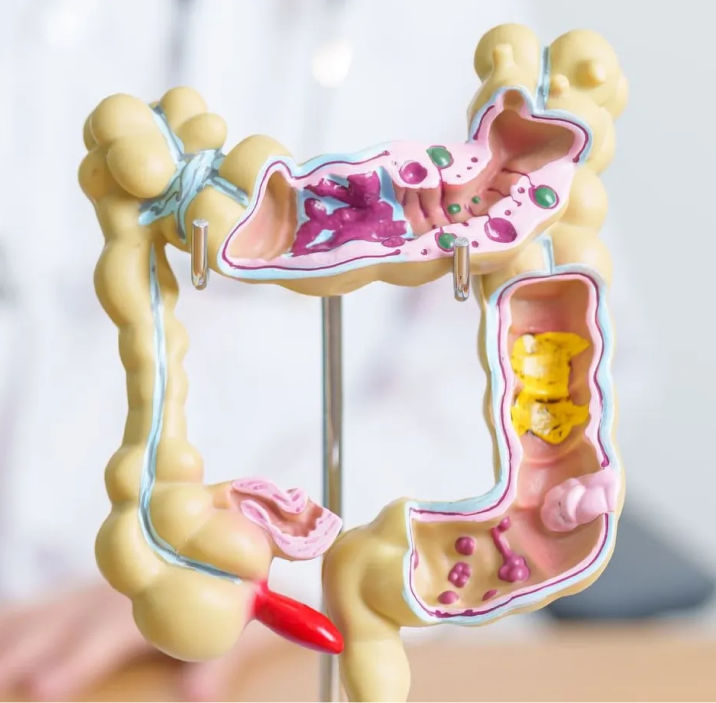
A rectocele is a weakness in the tissues of the anterior wall of the rectum and the posterior wall of the vagina and its intervening  tissues. The rectal wall may bulge into the vagina, particularly with straining.
Cystocele (bladder bulging into vagina), enterocele (bowel bulging into vagina), and uterine prolapse can be associated conditions. Upon noticing such issues for a few weeks, you should contact a specialist for rectocele treatment in Melbourne.
Symptoms and Signs:
- A bulge into the vagina
- Constipation and difficult defecation
- A sensation of pelvic or rectal pressure
- Incomplete evacuation
Cause:
Rectoceles often develop secondary to childbirth, where the fascia between the rectum and vagina are irreversibly stretched. Chronic straining, such as constipation, heavy lifting, and coughing, can predispose this condition. Ageing and previously having had a hysterectomy are risk factors in developing a rectocele.
Diagnosis & Investigations:
- Pelvic examination while straining to assess the extent of the rectocele.
- A defecating proctogram outlines the size of the rectocele and whether it empties during evacuation.
Rectocele Treatment in Melbourne:
A rectocele only needs treatment if it causes a condition called obstructed defecation, whereby efforts at emptying the rectum during defecation are impaired by stool being held up in the rectocele.
Surgical rectocele treatment in Melbourne in the form of rectocele repair can be performed via the vaginal wall (transvaginal repair) or the rectal wall (transrectal) or can be performed by incising tissue between the vagina and rectum and repairing or placing mesh between the vagina and rectum.
Most series report successful results in up to 80% of cases.
A new procedure, stapled transanal rectal resection (STARR), is currently being evaluated for use in rectocele with obstructed defecation. The results of this procedure are good but it is too early to recommend this procedure outside a trial setting.
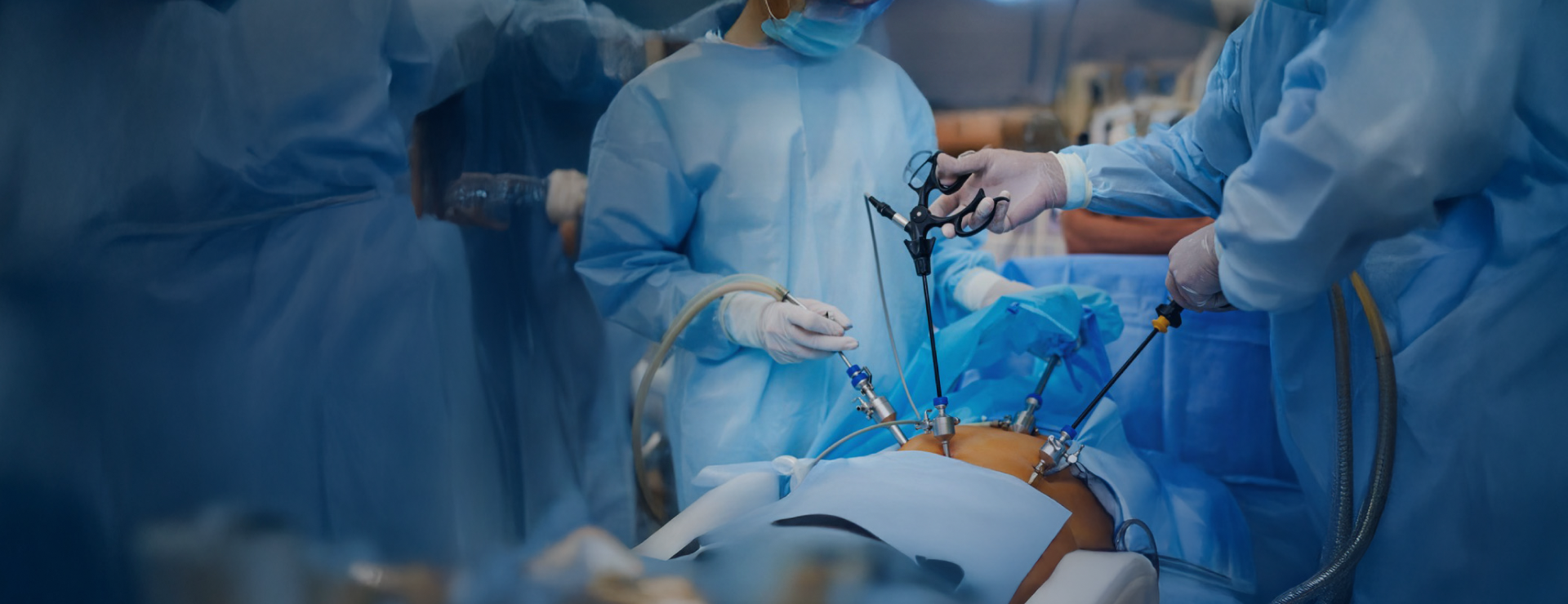
Laparoscopic approaches have been used in this condition but the surgery is usually combined with treatment of other conditions such as pelvic organ prolapses and is generally not used to treat rectocele in isolation.
Links: